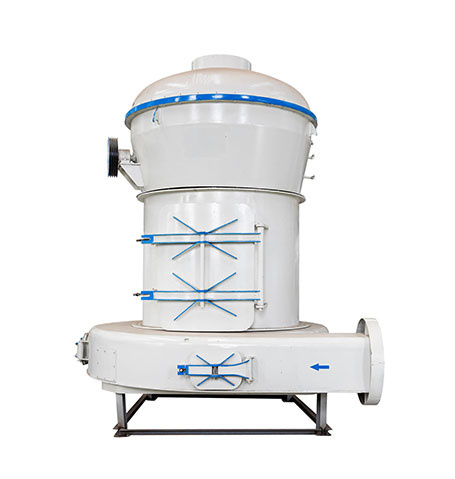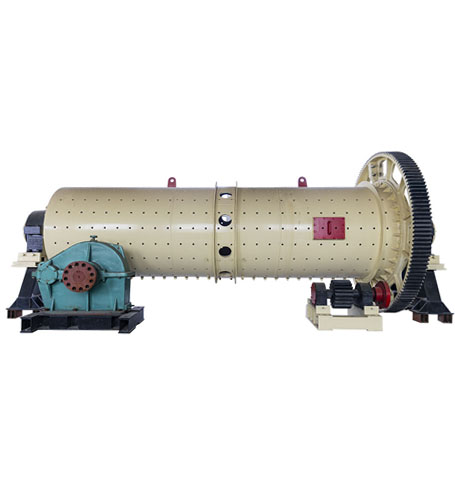
Rod Mill for Sale | Ore Grinding Equipment | STM
The STM Rod Mill is designed for material grinding and size reduction in mineral processing plants. According to the product information, it is suitable for grinding and shaping materials in gravity separation and flotation plants. Using steel rods as the grinding media, a rod mill is commonly selected for coarse grinding applications where a relatively uniform product size and control of excessive fines are important.
Henan Centbro Machinery (STM) Equipment Co., Ltd. provides mining and mineral processing equipment for projects with different material characteristics and production requirements. The appropriate rod mill configuration should be selected according to the feed material, required product size, processing capacity, and downstream separation process.
Rod Mill for Sale | Rod Mill Manufacturer | Rod Grinding Mill | Ore Grinding Mill | Rod Mill for Ore Grinding | Rod Mill vs Ball Mill | Mineral Processing Equipment | Grinding Equipment for Mining
What Is a Rod Mill?
A rod mill is a rotating cylindrical grinding machine that uses long steel rods as its grinding media. As the drum rotates, the rods move and roll inside the mill, reducing the size of the feed material through impact, compression, and abrasion.
Compared with a ball mill, which uses steel balls, a rod mill is often used for coarse grinding and applications that benefit from a relatively controlled particle-size distribution. The actual grinding result depends on the ore properties, feed size, rod charge, mill design, and operating conditions.
Rod mills can be integrated into different mineral processing flowsheets. In some plants, a rod mill provides grinding before gravity separation; in others, it serves as a preliminary grinding stage before a ball mill or another processing unit. The best arrangement depends on the required mineral liberation and the target product size.
Key Features of the STM Rod Mill
1. Steel Rod Grinding Media
The rod mill uses long steel rods rather than the spherical grinding balls used in a ball mill. The rods provide extended contact with the material during grinding, making this equipment suitable for selected coarse-grinding duties.
2. Controlled Coarse Grinding
Rod mills are commonly used when a process requires a relatively uniform ground product and aims to limit the production of excessive fine particles. This can be particularly relevant when preparing material for gravity separation, where particle size may affect the separation process.
The achievable particle size must be confirmed through material testing and equipment selection rather than assumed from the equipment name alone.
3. Flexible Integration into Mineral Processing Plants
A rod mill can be used as part of a mineral processing line, working alongside crushing, screening, classification, gravity separation, flotation, or other downstream equipment as required by the process design.
4. Suitable for Different Grinding Requirements
Rod mills are used in selected ore and mineral grinding applications. Feed characteristics, material hardness, moisture, abrasiveness, and target particle size should be assessed before confirming the machine configuration.
5. Project-Based Equipment Selection
STM can discuss equipment requirements based on the customer’s material, target capacity, and process flow. Motor power, mill dimensions, rod specifications, discharge arrangement, and other technical parameters should be confirmed for the selected model.
Rod Mill Working Principle
The rod mill operates through the rotation of a horizontal cylindrical drum.
- Feeding: Crushed material enters the mill through the feed opening.
- Rotation: The drum rotates and moves the steel rods and material inside.
- Grinding: The rods roll and interact with the feed material, reducing particle size through a combination of impact and abrasion.
- Discharge: The ground material leaves the mill according to its discharge design and proceeds to the next processing stage.
Depending on the process requirements, the discharged material may go to a classifier, gravity separation equipment, a flotation circuit, or a ball mill for further grinding.
Rod Mill vs. Ball Mill: What Is the Difference?
Rod mills and ball mills are both rotating grinding machines used in mineral processing. Their main difference is the grinding media, which affects their typical grinding characteristics and suitable applications.
| Comparison | Rod Mill | Ball Mill |
|---|---|---|
| Grinding media | Long steel rods | Steel balls or other specified grinding media |
| Typical grinding duty | Coarse grinding and controlled size reduction | Fine grinding and further size reduction |
| Grinding action | Rod contact, rolling, impact, and abrasion | Repeated impact and abrasion from moving balls |
| Product characteristics | Can produce a relatively uniform coarser product with fewer excessive fines in suitable applications | Commonly selected when finer grinding is required |
| Common process role | Preliminary grinding or grinding before selected separation processes | Fine grinding, regrinding, and preparation for downstream processing |
| Typical selection priority | Control of coarse product size and excessive fines | Required fineness and mineral liberation |
| Selection basis | Feed size, target product size, ore characteristics, and process flow | Feed size, target fineness, ore characteristics, and process flow |
When Should You Choose a Rod Mill?
A rod mill may be a suitable option when:
- Your process requires coarse grinding rather than very fine grinding.
- A relatively uniform product size is important.
- Excessive fine particles may negatively affect the next processing stage.
- You need a preliminary grinding stage before further grinding or separation.
- Your mineral processing design benefits from a rod mill-based grinding circuit.
When Should You Choose a Ball Mill?
A ball mill may be more suitable when:
- The process requires finer grinding.
- The ore needs additional size reduction to achieve the required mineral liberation.
- The downstream process requires a finer feed, subject to process testing.
- The grinding circuit is designed around fine grinding or regrinding.
Important: Neither machine is universally better. Some mineral processing plants use a rod mill followed by a ball mill, while others use only one type of mill. The choice should be based on ore testing, target particle size, required capacity, and the overall process design.
Rod Mill Applications Across Industries
1. Gold and Silver Ore Processing
Rod mills may be considered in gold and silver ore processing plants where the required grinding duty and mineral characteristics are appropriate. Depending on the ore and process flowsheet, the ground material may proceed to gravity separation, flotation, or additional grinding.
A rod mill does not recover gold or silver by itself. Recovery depends on the mineral characteristics and the complete beneficiation process.
2. Gravity Separation Plants
Gravity separation relies on differences in mineral density and other physical properties. In suitable applications, rod milling can prepare feed material while helping control excessive fine-particle generation.
The appropriate grinding size must be determined according to the target minerals and the requirements of the gravity separation equipment.
3. Flotation Plants
Rod mills may be used in selected flotation plant flowsheets as part of the grinding stage. However, flotation normally requires a suitable degree of mineral liberation, and a ball mill or additional grinding stage may be needed when finer particles are required.
The final choice should be based on ore test results and the flotation process requirements.
4. Iron Ore and Other Metal Ores
Iron ore and other metallic ores may require grinding before magnetic separation, gravity separation, flotation, or other beneficiation processes. Whether a rod mill is appropriate depends on the feed size, mineral composition, required product size, and processing route.
5. Industrial Mineral Processing
Selected non-metallic minerals and industrial materials may also require controlled grinding or material shaping. Before choosing a rod mill, confirm that the material’s hardness, abrasiveness, moisture content, and required final size are compatible with the proposed equipment.
How to Choose the Right Rod Mill
Before requesting a Rod Mill quotation, prepare the following information:
- Material: Gold ore, silver ore, iron ore, or another mineral.
- Feed size: The approximate size of the material entering the mill.
- Target product size: The required particle-size range after grinding.
- Capacity: The required processing capacity in tonnes per hour.
- Processing method: Gravity separation, flotation, magnetic separation, or another process.
- Operating conditions: Wet or dry grinding requirements, where applicable.
- Plant configuration: Whether the rod mill will operate independently or together with a ball mill and other equipment.
These details help the technical team assess the suitable model and grinding configuration.
Rod Mill Technical Specifications
The product listing identifies the equipment as a Rod Mill under the Mining Engineering category. The published description states that it is suitable for grinding and shaping materials in gravity separation or flotation plants.
| Parameter | Information |
|---|---|
| Product name | Rod Mill |
| Equipment category | Mining Engineering |
| Grinding media | Steel rods; confirm the selected configuration |
| Main application | Material grinding and size reduction |
| Processing applications | Suitable gravity separation or flotation plant flowsheets, subject to process requirements |
| Model and dimensions | To be confirmed |
| Feed size and discharge size | To be confirmed |
| Processing capacity | To be confirmed |
| Motor power | To be confirmed |
| Wet or dry grinding | To be confirmed |
| Discharge type | To be confirmed |
| Displayed listing price | US$12,000; confirm the applicable model, configuration, and supply scope |
Please contact STM for the technical specification sheet and a quotation based on your actual operating requirements. The displayed price should not be treated as a confirmed quotation for every model or project.
Why Consider STM for Your Grinding Equipment?
Henan Centbro Machinery (STM) Equipment Co., Ltd. is based in Zhengzhou, Henan, China. According to the company’s brochure, STM integrates research and development, manufacturing, and sales, with an approximately 8,000 m² production base.
The company’s equipment range includes crushers, ball mills, dryers, and supporting mining machinery. STM also provides equipment planning and technical support for mining and mineral processing projects. Installation, commissioning, and other project services should be confirmed according to the specific contract and destination.
For customers planning a new grinding line or upgrading an existing plant, selecting a mill should involve more than comparing the initial purchase price. Feed preparation, grinding requirements, downstream separation, equipment compatibility, and maintenance arrangements all need to be considered.
Build a Suitable Grinding Process for Your Plant
A rod mill is one option for controlled grinding in selected mineral processing applications. Depending on the material and target product size, a grinding circuit may include:
Crushing → Screening → Rod Mill → Classification or Further Grinding → Gravity Separation / Flotation / Other Processing
This is an illustrative process flow, not a fixed configuration. Actual equipment selection and process sequence depend on ore test results, mineral liberation requirements, and the intended separation method.
If your plant requires finer grinding, a rod mill may be combined with a ball mill. If the process needs a controlled coarse product, a rod mill may be worth evaluating as part of the grinding circuit.
Request a Rod Mill Quote from STM
Looking for a rod mill manufacturer or comparing a rod mill with a ball mill for your mineral processing project?
Send STM the following information:
- Your material type and feed size
- Required capacity
- Target grinding fineness
- Gravity separation, flotation, or other processing requirements
- Project location and preferred equipment configuration
The STM team can use these details to discuss a suitable model, technical specifications, and a project quotation.
Contact STM today to discuss your Rod Mill requirements.
Request a Quote Get Technical Specifications
Frequently Asked Questions
1. What is a rod mill used for?
A rod mill is used to grind and reduce the size of ores and other suitable materials. Common applications include coarse grinding, preparation of feed for further grinding, and selected mineral processing flowsheets involving gravity separation or flotation.
2. What is the difference between a rod mill and a ball mill?
A rod mill uses long steel rods as grinding media, while a ball mill uses steel balls. Rod mills are commonly associated with controlled coarse grinding, whereas ball mills are widely used for finer grinding. The best choice depends on the ore, target particle size, and downstream process.
3. Can a rod mill be used in a gold processing plant?
Yes, a rod mill may be used in a gold processing plant when its grinding characteristics match the ore and process requirements. The ground material may proceed to gravity separation, flotation, or additional grinding. The complete processing route must be determined from the characteristics of the ore.
4. Is a rod mill suitable for flotation?
It can be suitable for selected flotation plant flowsheets. However, flotation often requires sufficient mineral liberation, so additional grinding or a ball mill may be necessary. Ore testing and process design should determine the appropriate arrangement.
5. Can a rod mill and a ball mill work together?
Yes. In some grinding circuits, a rod mill performs preliminary grinding and a ball mill provides further size reduction. This combination is not necessary for every plant; the decision depends on feed characteristics, target fineness, capacity, and process economics.
6. What is the price of an STM Rod Mill?
The product interface displays a price of US$12,000. The final price should be confirmed with STM because the selected model, motor and drive configuration, grinding media, accessories, shipping, and other supply requirements may affect the quotation.
7. What information is needed to select a rod mill?
The main information includes material type, feed size, required capacity, target product size, grinding conditions, downstream processing method, and plant layout. Providing these details helps the technical team assess the appropriate equipment configuration.