Crushing Line in Mexico | Stone Crushing Plant Project | STM
Project Location: Mexico
Project Type: On-Site Crushing Line
Industry: Quarrying, Mining and Construction Aggregates
Explore STM’s Mexico crushing line project and learn how jaw crushers, impact crushers, vibrating feeders, and vibrating screens work together in aggregate production.
Project Overview
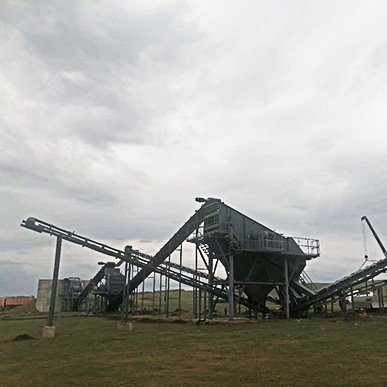
The Chinese Stone Crusher Factory STM project gallery features an on-site crushing line in Mexico. The project photograph shows a multi-equipment crushing installation with conveyors and elevated processing structures arranged across an outdoor production area.
For quarry operators and aggregate producers, a complete stone crushing line needs to do more than reduce the size of raw rock. It must also provide a suitable material flow between crushing stages, maintain consistent feeding, and produce aggregate sizes that match market requirements.
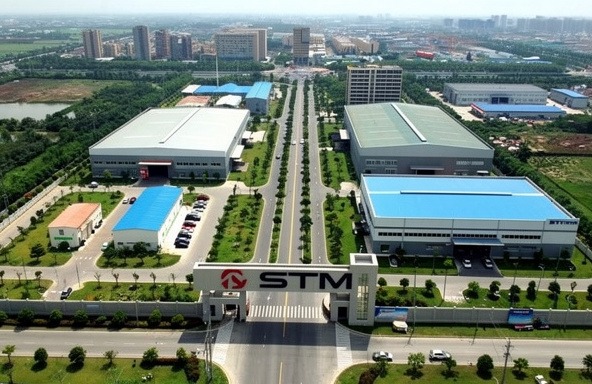
Henan Centbro Machinery (STM) Equipment Co., Ltd. supplies crushing equipment and complete plant solutions for mining, quarrying, and construction material production.
Why Does a Crushing Plant Need a Well-Designed Process?
A stone crushing plant usually includes several connected stages. The equipment combination depends on raw material hardness, feed size, required capacity, and final aggregate specifications.
A typical process may include:
- Raw material feeding
- Primary crushing
- Secondary crushing
- Vibrating screening
- Material recirculation where required
- Aggregate conveying and stockpiling
The correct equipment arrangement helps maintain a balanced production process. A crusher with a high nominal capacity cannot achieve its full potential if the feeder, conveyor, or screening system cannot handle the material flow.
Typical Crushing Line Configuration
STM’s company brochure describes a stone production line using an impact crusher as the secondary crushing machine. The brochure identifies the following advantages of this process:
- A relatively simple production process
- Good finished-product particle shape
- Cubical aggregate production
- Economical investment for suitable material and project conditions
The brochure identifies limestone, shale, and granite among the materials considered for this type of stone production line, subject to their actual hardness and operating conditions.
A typical process can be arranged as follows:
Raw Material → Vibrating Feeder → Jaw Crusher → Impact Crusher → Vibrating Screen → Finished Aggregate
Oversized material may be returned for further crushing depending on the selected plant layout.
Main Equipment and Their Functions
1. Vibrating Feeder
The vibrating feeder delivers raw material evenly and continuously to the primary crusher. STM’s catalogue describes its use in crushing and screening equipment across mining, metallurgy, coal, building materials, and chemical industries.
A stable feed rate is important for keeping the crushing line operating smoothly.
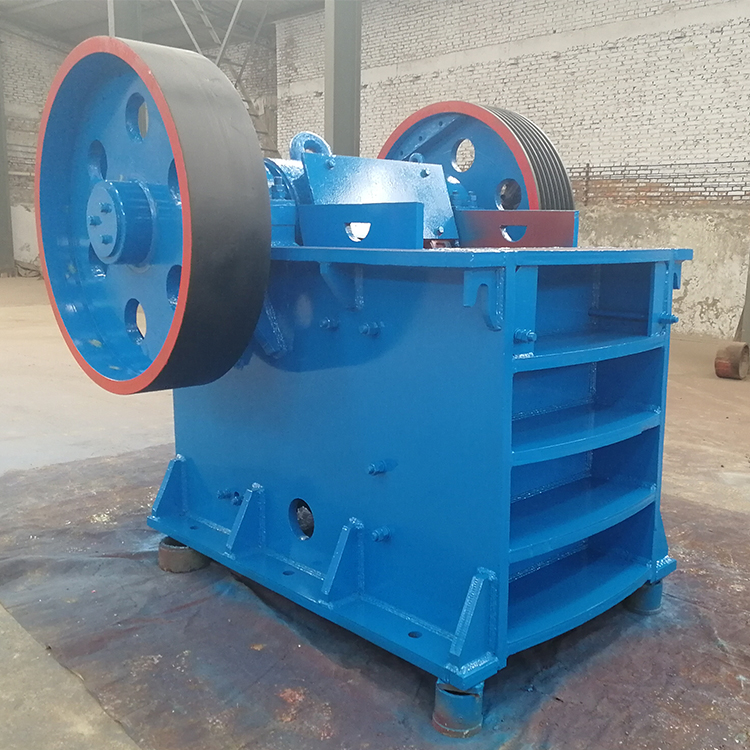
2. Jaw Crusher for Primary Crushing
A jaw crusher is commonly used as the first crushing stage to reduce large rocks into smaller pieces.
STM’s brochure describes its PEW European jaw crusher as featuring:
- Reinforced welded machine frame
- Integral cast-steel bearing block
- Symmetrical V-shaped crushing chamber
- Wedge-type discharge opening adjustment
These design features are intended to support structural strength, more uniform discharge size, and convenient adjustment.
3. Impact Crusher for Secondary Crushing
An impact crusher uses impact force to reduce material size. STM’s brochure identifies limestone, granite, and concrete among the materials processed by its impact crusher range.
The brochure states that the machine can handle feed material with a maximum side length of 500 mm and compressive strength up to 350 MPa. Actual suitability depends on material characteristics, crusher model, and operating conditions.
The brochure also identifies applications in ore crushing, railway and highway construction, and manufactured aggregate production.
4. Vibrating Screen for Product Classification
After crushing, a vibrating screen separates material into different size fractions.
STM’s YK series circular vibrating screen is described in the brochure as featuring adjustable vibration amplitude, a long material screening path, and multi-layer screening. It is suitable for quarry aggregate screening and product grading in coal preparation, mineral processing, building materials, power, and chemical industries.
Application Industries
A crushing line with suitable feeding, crushing, and screening equipment can be considered for:
- Stone quarries
- Mining and mineral processing
- Construction aggregate production
- Road and highway construction
- Infrastructure projects
- Building materials production
For limestone and other suitable medium- or lower-hardness rocks, an impact crusher may be considered as a secondary crushing option. For harder and more abrasive materials, the process may require a different crusher combination, such as a cone crusher.
How to Select a Crushing Line for Your Project
Before selecting a complete stone crushing plant, buyers should confirm:
- Raw material: Limestone, granite, shale, river stone, or another rock.
- Maximum feed size: The largest material size entering the primary crusher.
- Required capacity: The target output in tonnes per hour.
- Finished aggregate sizes: The number and size of final product fractions.
- Material hardness and abrasiveness: These affect crusher selection and wear-part requirements.
- Site layout: Available space, elevation differences, and stockpile positions.
- Power and operating conditions: Local power supply and maintenance arrangements.
These details allow the manufacturer to balance the feeder, crushers, vibrating screens, and conveyors as a complete production system.
STM: China Mining Machinery and Crushing Equipment Supplier
Henan Centbro Machinery (STM) Equipment Co., Ltd. is located in Zhengzhou, Henan, China. The company brochure describes an approximately 8,000 m² production base integrating research and development, manufacturing, and sales.
STM’s product range includes hammer crusher jaw crushers, impact crushers, cone crushers, vibrating feeders, vibrating screens, mobile crushing stations, grinding mills, and supporting equipment.
The company brochure reports ISO 9001:2008 quality management system certification and EU CE certification. It also describes an experienced sales and after-sales team providing technical support for equipment installation and commissioning, subject to project arrangements.
As a China mining machinery manufacturer and China crusher manufacturer, STM provides equipment selection support for customers planning stone crushing plants and aggregate production lines.
Request a Crushing Plant Solution for Your Project
Are you planning a stone crushing plant in Mexico or another market?
Share your raw material, feed size, required output, final aggregate specifications, and site layout with STM. Our team can help evaluate the appropriate jaw crusher, impact crusher, cone crusher, vibrating screen, and conveyor combination.
Contact STM for a Customized Crushing Line Proposal.
Request a Quote Get Technical Specifications
Frequently Asked Questions
What equipment is needed for a complete stone crushing line?
A typical line may include a vibrating feeder, jaw crusher, secondary crusher, vibrating screen, conveyors, and stockpiles. The exact arrangement depends on the raw material and required products.
Why use an impact crusher for secondary crushing?
An impact crusher can be considered for suitable materials where particle shape is important. STM’s brochure describes its stone production line using an impact crusher for secondary crushing and highlights cubical aggregate production.
Is an impact crusher suitable for granite?
The suitability depends on granite hardness, abrasiveness, feed size, and operating cost. Granite is generally more abrasive than limestone, so the crusher type and wear-part consumption should be evaluated before choosing an impact crusher.
What does a vibrating screen do in a crushing plant?
A vibrating screen separates crushed material into different size fractions. Multi-layer screening can produce several aggregate sizes from one screening stage, depending on the screen configuration.