Crushing and Screening Plant in Congo Africa | STM Project
Project Location: Congo, Africa
Project Type: Crushing and Screening Site
Industry: Mining, Quarrying and Aggregate Production
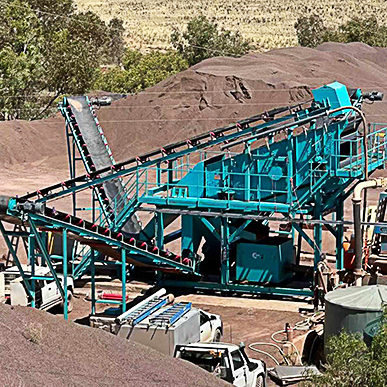
The STM project gallery features a crushing and screening site in Congo, Africa. The photograph shows an outdoor processing installation with multiple conveyors, screening and crushing structures, and aggregate stockpiles.
Project Overview
The STM project gallery features a crushing and screening site in Congo, Africa. The photograph shows an outdoor processing installation with multiple conveyors, screening and crushing structures, and aggregate stockpiles.
In mining and quarry operations, crushing and screening equipment works as a connected system. Crushing reduces raw rock to smaller sizes, while screening separates the material into the required product fractions.
For aggregate producers, a properly arranged crushing and screening plant helps organize material flow and produce different aggregate sizes for construction and infrastructure applications.
Henan Centbro Machinery (STM) Equipment Co., Ltd. supplies crushing and screening machinery for mining, quarrying, and aggregate production projects.
Why Is Crushing and Screening Important?
Raw materials from a quarry or mine usually contain different particle sizes. A crushing and screening plant processes this material through several stages to obtain products that meet the required specifications.
A typical plant may include:
- Vibrating feeder
- Primary jaw crusher
- Secondary cone crusher or impact crusher
- Circular vibrating screen
- Belt conveyors
- Return conveyor for oversized material
- Finished aggregate stockpiles
The equipment combination depends on the rock type, required capacity, feed size, and final product specifications.
Main Equipment in a Crushing and Screening Plant
1. Vibrating Feeder: Stable Material Feeding
A vibrating feeder transfers bulk material from a hopper to the primary crusher at a controlled rate.
According to STM’s product brochure, vibrating feeders are used in combined crushing and screening equipment across metallurgy, coal mining, mineral processing, building materials, chemical industries, and abrasives.
The feeder can also perform preliminary screening of material during the feeding process, depending on its configuration.
2. Jaw Crusher: Primary Rock Crushing
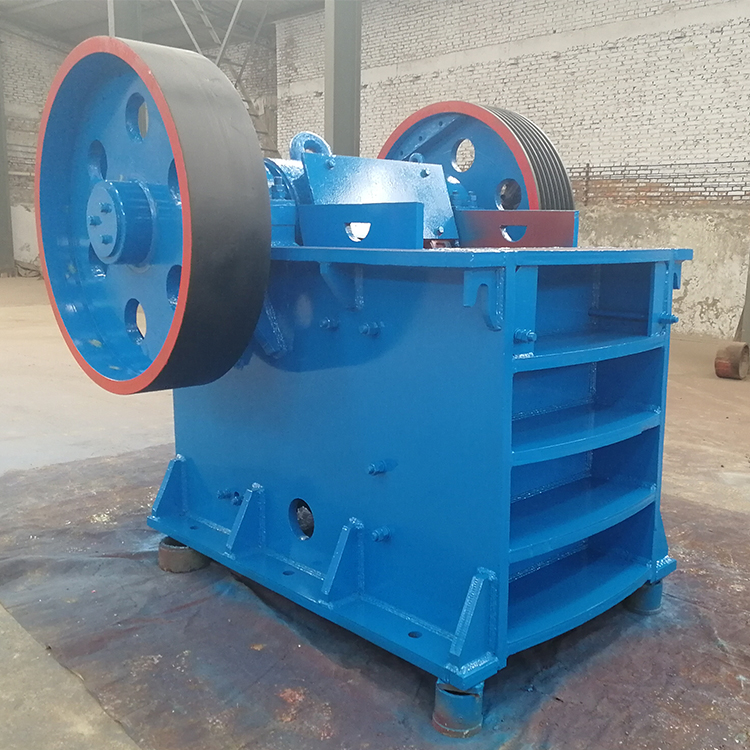
The jaw crusher is commonly used for primary crushing of large rocks.
STM’s PEW European jaw crusher features a reinforced welded frame, an integral cast-steel bearing block, and a symmetrical V-shaped crushing chamber. Its wedge-type discharge opening adjustment is designed to make setting changes more convenient.
For a crushing and screening plant, the jaw crusher reduces the initial feed size before the material enters the secondary crushing stage.
3. Cone Crusher or Impact Crusher: Secondary Crushing
The secondary crusher is selected according to material hardness, abrasiveness, and the required finished aggregate shape.
Cone crusher: Often considered for medium- and high-hardness rock, including selected hard-rock quarry and mining applications.
STM’s brochure describes its multi-cylinder hydraulic cone crusher as suitable for medium, fine, and ultrafine crushing. It uses a combination of crushing speed, eccentric stroke, and chamber design. The brochure also highlights lamination crushing, hydraulic protection, and a multi-point lubrication control system.
Impact crusher: May be considered for suitable materials where particle shape is a key requirement. STM’s brochure identifies limestone, granite, and concrete among the materials processed by its impact crusher range.
The final choice should be based on actual material properties and the required product specification.
4. Circular Vibrating Screen: Aggregate Classification
After crushing, material is transferred to a vibrating screen for classification.
STM’s YK series circular vibrating screen is described in the company brochure as featuring:
- Adjustable vibration amplitude
- A long material screening path
- Multi-layer screening
- Clear separation of different product sizes
- Applications in quarry aggregate screening and industrial product grading
The screen can be used in quarrying, coal preparation, mineral processing, building materials, power, and chemical industries.
The number of screen decks and mesh sizes should be selected according to the required final aggregate fractions.
Typical Crushing and Screening Process
A typical process for a quarry or aggregate production plant may follow this sequence:
Raw Material → Vibrating Feeder → Jaw Crusher → Secondary Crusher → Circular Vibrating Screen → Finished Aggregate
Oversized material can be returned to the secondary crusher through a return conveyor if the plant layout includes a closed-circuit arrangement.
The screened products may be separated into different stockpiles for use in concrete production, road construction, building materials, and other applications.
This is a typical process reference, not a confirmed equipment-flow diagram for the Congo project shown in the photograph.
Applications in Mining and Construction Industries
Mining and Mineral Processing
Crushing and screening equipment is used to prepare ore and rock for further processing. The crushing stages and screen configuration should be selected according to the mineral characteristics and downstream process requirements.
Quarry and Aggregate Production
Quarry operators use crushing and screening plants to produce aggregates in different size ranges. The finished products may be used for concrete, road base, and other construction applications.
Road and Highway Construction
Crushed stone and graded aggregate are important materials for road construction. A suitable crushing and screening process helps produce the particle-size fractions required by the project specification.
Infrastructure and Building Materials
Aggregate is used in concrete, foundations, drainage, and other infrastructure applications. The plant configuration should be designed around the required product sizes and production volume.
How to Select Crushing and Screening Equipment for African Projects
When planning a crushing and screening plant in Congo or another African market, buyers should consider the following:
- Rock type: Limestone, granite, basalt, river stone, or ore.
- Material hardness and abrasiveness: These influence crusher selection and wear-part requirements.
- Feed size: Determine the maximum size of raw material entering the plant.
- Required capacity: Estimate the production target in tonnes per hour.
- Final product sizes: Define the required aggregate fractions and screen decks.
- Site conditions: Consider terrain, installation space, access roads, and material stockpiles.
- Power and maintenance: Confirm available power supply, spare parts, and maintenance arrangements.
- Future expansion: Consider whether additional crushing or screening stages may be required later.
A complete plant should be balanced as a system. The capacity of the feeder, crusher, screen, and conveyors must be considered together.
STM Crushing and Screening Equipment for International Projects
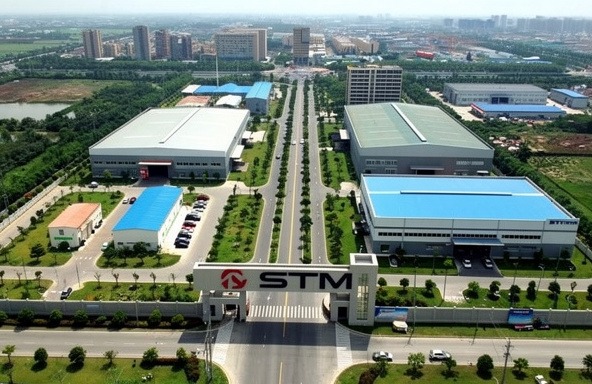
Henan Centbro Machinery (STM) Equipment Co., Ltd. is based in Zhengzhou, Henan, China. According to the company brochure, STM integrates research and development, manufacturing, and sales, with an approximately 8,000 m² production base.
STM supplies jaw crushers, cone crushers, impact crushers, vibrating feeders, circular vibrating screens, mobile crushing stations, grinding mills, and supporting mining equipment.
The company brochure reports ISO 9001:2008 quality management system certification and EU CE certification. It also describes technical support for equipment planning, installation, and commissioning, with service arrangements confirmed according to individual project requirements.
As a China mining machinery manufacturer and China crusher manufacturer, STM works with customers to evaluate equipment combinations for quarry, mining, and aggregate production projects.
Request a Crushing and Screening Plant Quotation
Are you planning a quarry or mining crushing project in Congo, Africa, or another market?
Send STM your raw material details, maximum feed size, required capacity, final aggregate sizes, and project location. Our team can help evaluate a suitable crushing and screening equipment combination.
Contact STM for Your Crushing and Screening Plant Solution.
Request a Quote Get Technical Specifications
Frequently Asked Questions
What is the difference between crushing and screening?
Crushing reduces the size of raw material. Screening separates the crushed material into different particle-size fractions.
What equipment is used in a crushing and screening plant?
A typical plant includes a vibrating feeder, jaw crusher, secondary crusher, vibrating screen, conveyors, and stockpiles. The exact equipment depends on the material and production requirements.
Should I choose a cone crusher or an impact crusher?
A cone crusher is often considered for harder and more abrasive materials, while an impact crusher may be suitable for materials where particle shape is important. The final choice depends on rock properties, wear-part costs, and finished-product requirements.
How many decks should a vibrating screen have?
The number of decks depends on how many finished aggregate sizes are required. A multi-deck vibrating screen can separate material into several fractions in one screening stage. STM can help evaluate the screen configuration according to the project specification.