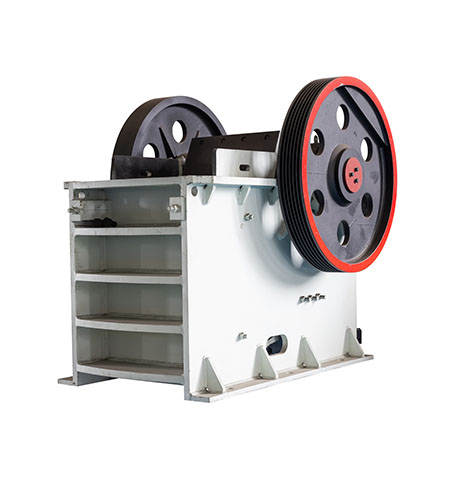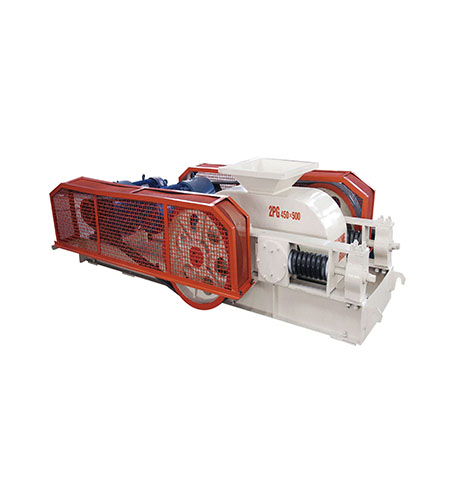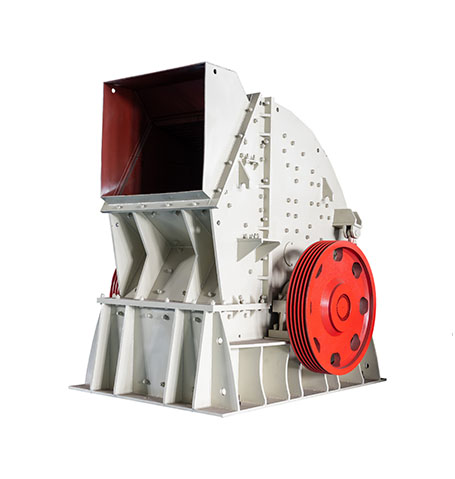
STM Heavy Hammer Crusher is designed for crushing suitable brittle and medium-hard materials in mining, quarrying and building material production. By using high-impact hammer crushing, a heavy hammer crusher can reduce material size efficiently and, under suitable working conditions, combine primary and secondary crushing into a simplified production process. It can be integrated into a complete stone crushing plant with vibrating feeders, screens and belt conveyors to meet different aggregate production requirements.
Heavy Hammer Crusher | Limestone Crushing | One-Stage Crushing | Stone Aggregate Production | Mining Crusher Manufacturer
What Is a Heavy Hammer Crusher?
A Heavy Hammer Crusher, also known as a heavy-duty hammer crusher, is a crushing machine that uses rotating hammer heads to impact and break material inside a crushing chamber.
It is commonly considered for projects involving limestone, coal gangue, gypsum and other suitable brittle materials. Depending on the material properties and machine configuration, it can be used for primary or secondary crushing and may reduce the number of crushing stages required in a production line. Similar applications and process configurations are commonly highlighted across current heavy hammer crusher product listings. Source
For customers planning a new quarry or upgrading an existing crushing plant, the main selection factors include raw material hardness, maximum feed size, target output size, required capacity and wear-part costs.
Key Advantages of a Heavy Hammer Crusher
1. High-Impact Crushing
The rotating hammer assembly delivers impact energy to incoming material, helping break it into smaller particles. This crushing method is suitable for selected brittle and medium-hard materials.
2. Potential for One-Stage Crushing
For suitable feed materials and product requirements, a heavy hammer crusher can combine size reduction tasks that might otherwise require separate crushing stages. Whether a single-stage configuration is appropriate depends on the material, feed size, output specification and production target.
3. Flexible Production-Line Configuration
A heavy hammer crusher can be combined with supporting equipment such as:
- Vibrating feeder
- Heavy hammer crusher
- Vibrating screen
- Belt conveyor
- Dust collection equipment, where required
STM’s product brochure describes matching crushing equipment with vibrating screens and conveyors according to specific production needs. It also identifies the heavy hammer crusher as one of the fine-crushing equipment options used in mobile crushing configurations.
4. Controllable Finished Product Size
The final particle size depends on the crusher design, discharge arrangement, feed characteristics and operating conditions. During equipment selection, customers should confirm the required product grading and whether additional screening or recirculation is needed.
5. Practical Maintenance Planning
Hammer heads and other crushing-chamber components are exposed to impact and abrasion during operation. When comparing equipment, customers should consider wear-part replacement, maintenance access, spare-parts availability and the expected operating hours—not just the initial purchase price.
Heavy Hammer Crusher Working Principle
A heavy hammer crusher generally works through the following stages:
Step 1: Material Feeding
Raw material is delivered to the crusher through a controlled feeding system. Feed size and feed rate should remain within the selected machine’s operating limits.
Step 2: Hammer Impact
The motor drives the rotor, which carries the hammer heads. As the rotor turns, the hammer heads strike incoming material and break it into smaller pieces.
Step 3: Further Size Reduction
Material continues to be reduced through repeated impact and interaction with the crushing chamber components. The specific crushing process depends on the equipment design.
Step 4: Discharge and Screening
Crushed material leaves the machine through its discharge arrangement. A vibrating screen can then separate the product into different size fractions. Oversized material may require further crushing, depending on the production-line design.
Step 5: Conveying to the Next Stage
Belt conveyors transport the finished material to stockpiles or downstream processing equipment.
Applications of Heavy Hammer Crushers
Limestone Crushing
A heavy hammer crusher may be suitable for limestone crushing in quarrying, aggregate production and building-material applications when the material properties match the machine’s design limits.
Quarry and Aggregate Production
Quarry operators can evaluate heavy hammer crushing for producing aggregates used in road construction, concrete and general building projects. The finished grading must be checked against the customer’s product specification.
Coal Gangue and Gypsum Processing
Suitable coal gangue, gypsum and other brittle industrial materials may be processed using hammer-based crushing equipment. Actual suitability depends on abrasiveness, moisture, feed size and required output.
Mining and Mineral Processing
For mining projects, crusher selection should be based on the mineral’s mechanical properties and the intended role of the machine within the crushing circuit. Hard, highly abrasive or exceptionally tough materials may require a different crushing technology.
Building Materials and Infrastructure
Heavy hammer crushers may be considered for selected raw-material crushing applications supporting cement, building materials and infrastructure projects.
Heavy Hammer Crusher vs. Other Stone Crushers
| Equipment | Typical role | What to consider |
|---|---|---|
| Jaw Crusher | Primary crushing | Suitable feed size, material hardness and required reduction |
| Heavy Hammer Crusher | Primary or secondary crushing of suitable materials | Impact resistance, material brittleness, feed size and target grading |
| Impact Crusher | Secondary crushing and shaping for suitable materials | Product shape, material abrasiveness and wear costs |
| Cone Crusher | Secondary or tertiary crushing, especially for harder rock | Hardness, abrasiveness, capacity and desired product size |
No crusher type is best for every material. A heavy hammer crusher is worth evaluating when the feed material is compatible with impact crushing and the project may benefit from a simplified crushing process.
How to Select the Right Heavy Hammer Crusher
Before requesting a quotation, prepare the following information:
- Raw material: limestone, coal gangue, gypsum or another material.
- Material characteristics: hardness, abrasiveness, moisture and clay content.
- Maximum feed size: the largest material size entering the crusher.
- Required capacity: target production in tons per hour.
- Finished product size: required particle sizes and grading.
- Production-line arrangement: existing or planned feeders, screens, conveyors and downstream equipment.
- Project location: country, site conditions, power supply and installation requirements.
Providing these details helps the supplier assess whether a heavy hammer crusher is suitable and recommend a matching configuration.
Heavy Hammer Crusher Technical Specifications
The STM brochure available for this project does not provide a standalone heavy hammer crusher specification table. Therefore, model numbers, motor power, maximum feed size, discharge size and capacity should not be published as confirmed STM specifications until the engineering team verifies them.
For a project-specific quotation, request the following information from STM:
| Technical item | Information to confirm |
|---|---|
| Crusher model | Recommended model for the project |
| Maximum feed size | Maximum permitted incoming material size |
| Capacity | Expected output in t/h for the specified material |
| Discharge size | Target output size and grading |
| Motor power | Installed power and drive configuration |
| Wear parts | Hammer-head and liner specifications |
| Overall dimensions | Space and foundation requirements |
| Supporting equipment | Feeder, screen, conveyors and dust collection |
| Operating conditions | Material moisture, abrasiveness and working hours |
Important: Capacity and discharge size can vary with the raw material and operating conditions. Final specifications should be confirmed in STM’s technical proposal.
Why Choose Henan Centbro Machinery (STM)?
Henan Centbro Machinery (STM) Equipment Co., Ltd. is based in Zhengzhou, Henan, China. According to the company brochure, STM integrates research and development, production and sales, with a production base covering approximately 8,000 square meters.
The brochure describes the company’s product range as including crushers, ball mills, dryers and supporting mining equipment. It also reports ISO 9001:2008 quality management system certification, EU CE certification and exports to markets in Asia, the Middle East, Africa, South America and other regions.
STM’s company information also describes an after-sales service team that can provide on-site installation and commissioning support. The exact service scope should be confirmed for each order.
Complete Crushing Solutions from STM
Choosing a crusher involves more than selecting an individual machine. A well-planned crushing line must match the feed material, target capacity, finished product grading and site layout.
Depending on project requirements, STM can help assess a configuration involving:
Vibrating Feeder → Crusher → Vibrating Screen → Belt Conveyor → Finished Aggregate Stockpile
Additional crushing stages or screening arrangements can be considered when required by the material or product specification.
Request a Heavy Hammer Crusher Quote
Looking for a heavy hammer crusher for limestone, quarrying or aggregate production?
Send STM your project information to help the technical team evaluate the appropriate equipment and production-line configuration.
Please include:
- Material type
- Maximum feed size
- Required capacity (t/h)
- Target discharge size
- Material moisture and abrasiveness
- Project location
- Existing equipment, if any
Frequently Asked Questions
What materials can a heavy hammer crusher process?
It is commonly used for suitable brittle materials such as limestone, gypsum and coal-related materials. Material suitability must be checked against the machine’s design limits, particularly for hard or highly abrasive rock.
Can a heavy hammer crusher complete crushing in one stage?
It may do so for suitable materials and target product sizes. The decision depends on feed size, material properties, required grading and capacity. Some projects still require additional crushing or screening stages.
How do I choose the right capacity?
Start with the required hourly output, then assess the feed material, maximum feed size and target product grading. Ask the supplier to confirm capacity for your actual operating conditions rather than relying on a general catalogue range.
Is a heavy hammer crusher suitable for every quarry?
No. It is not automatically the best option for all rocks. Hardness, abrasiveness, moisture and product requirements should be assessed before choosing impact-based crushing equipment.
Can STM provide a complete crushing line?
STM’s brochure describes matching crushers with vibrating screens, conveyors and other equipment according to production needs. The exact equipment package should be confirmed against your project requirements.
How can I obtain a price?
Send STM your material type, feed size, required capacity, target output size and project location. These details help the company prepare a more relevant equipment recommendation and quotation.