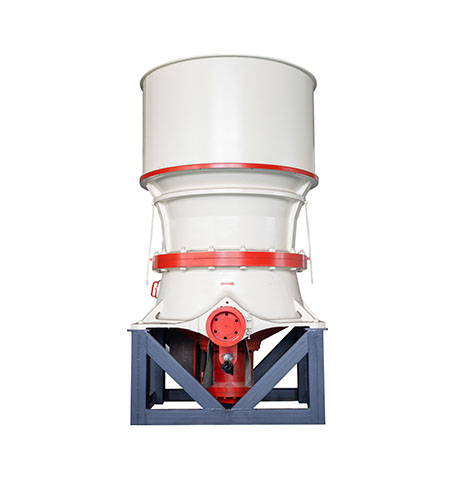
Single-Cylinder Hydraulic Cone Crusher for Hard Rock Mining and Aggregate Production
STM Single-Cylinder Hydraulic Cone Crusher is designed for efficient secondary and tertiary crushing in mining, quarrying and aggregate production applications. With hydraulic adjustment and protection technology, this type of cone crusher can help operators manage the discharge setting, respond to uncrushable materials and maintain a stable crushing process. It is suitable for projects processing compatible medium-hard to hard rock, subject to the selected model, crushing chamber and material characteristics.
Single-Cylinder Hydraulic Cone Crusher | Hydraulic Cone Crusher for Sale | Hard Rock Crushing | Mining Crusher Manufacturer | Aggregate Production Equipment
What Is a Single-Cylinder Hydraulic Cone Crusher?
A Single-Cylinder Hydraulic Cone Crusher is a compression-type crushing machine commonly used for secondary and tertiary crushing. It reduces rock and ore through the compressive force generated between a moving mantle and a stationary concave liner.
Unlike a traditional spring cone crusher, a single-cylinder hydraulic design uses an integrated hydraulic cylinder to support and adjust the main shaft. Depending on the specific design, the hydraulic system can also provide overload protection and assist with clearing material from the crushing chamber.
This type of crusher is commonly considered for applications involving granite, basalt, river stone, iron ore and other suitable medium-hard to hard materials. Actual suitability depends on feed size, abrasiveness, moisture, required product grading and the selected machine configuration.
For quarry owners, mining operators and aggregate producers, choosing the right cone crusher starts with matching the crushing chamber and operating parameters to the production target.
Key Advantages of a Single-Cylinder Hydraulic Cone Crusher
1. Hydraulic Discharge Setting Adjustment
The hydraulic system enables adjustment of the crusher’s discharge setting according to the machine design. Appropriate adjustment helps operators manage product size and adapt the crushing process to different production requirements.
The achievable product grading depends on the selected crushing chamber, liner condition, feed distribution and operating settings.
2. Hydraulic Overload Protection
When uncrushable material enters the crushing chamber, a hydraulic protection system can help relieve the load and protect critical crusher components. The exact protection sequence and reset function depend on the selected model and control system.
Proper feeding, routine inspection and suitable tramp-material management remain important for safe operation.
3. Suitable for Hard-Rock Crushing
Cone crushers use compression rather than relying primarily on high-speed impact. This makes them worth considering for compatible hard and abrasive materials in quarrying and mineral-processing applications.
Final selection should account for material hardness, abrasiveness, feed gradation, target output and expected operating hours.
4. Flexible Crushing-Chamber Options
Different crushing chambers are designed for different feed sizes and crushing duties. Depending on the product series, options may cover coarse, medium or fine crushing.
Selecting the correct chamber helps align the crusher with the required production capacity and finished aggregate grading. Available chamber types must be confirmed for the specific STM model.
5. Integration into a Complete Crushing Plant
A single-cylinder hydraulic cone crusher can be integrated into a crushing and screening line with supporting equipment such as:
- Vibrating feeder
- Jaw crusher for primary crushing
- Single-cylinder hydraulic cone crusher
- Vibrating screen for product classification
- Belt conveyor for material transfer
- Dust collection equipment, where required
STM’s broader product range includes crushing and screening equipment for different production-line requirements. The final equipment arrangement should be determined according to project conditions and confirmed technical specifications.
Single-Cylinder Hydraulic Cone Crusher Working Principle
A typical single-cylinder hydraulic cone crusher works through the following stages. The detailed structure and hydraulic functions vary by model.
Step 1: Material Feeding
Pre-crushed material enters the crushing chamber from the top. The feed size must remain within the limits specified for the selected crusher and chamber.
Step 2: Eccentric Movement
The drive system rotates the eccentric assembly, causing the moving mantle to perform a gyratory motion inside the stationary concave.
Step 3: Compression Crushing
As material passes through the crushing chamber, it is subjected to compressive forces between the mantle and the concave liner. Repeated compression breaks the material down into smaller particles.
Step 4: Hydraulic Adjustment and Protection
The hydraulic system adjusts the discharge opening size according to the equipment’s design specifications. If uncrushable material enters the crushing chamber, the hydraulic overload protection function ensures the crusher responds appropriately to protect the machine.
Step 5: Discharge and Screening
Crushed material exits through the discharge opening and can be conveyed to a vibrating screen for classification. The screening equipment separates the material into the required size fractions. In a closed-circuit production line, oversized material can be returned to the crusher for further reduction.
Application Areas for Single-Cylinder Hydraulic Cone Crushers
Mining and Ore Processing
In suitable metal and non-metal mining operations, single-cylinder hydraulic cone crushers are used for secondary or tertiary crushing stages. The selected crusher must match the ore’s hardness, abrasiveness, feed size, and downstream processing requirements.
Granite and Basalt Crushing
For suitable granite, basalt, and other hard rocks, cone crushers serve as key components in aggregate or quarry production lines. When processing highly abrasive rock, selecting wear-resistant liners and the appropriate crushing chamber profile is crucial.
River Pebble and Gravel Processing
River pebbles and gravel can be processed provided their feed size and material characteristics fall within the crusher’s operating range. A complete production line typically includes primary crushing, cone crushing, screening, and conveying stages.
Sand and Aggregate Production
Cone crushers are frequently used in aggregate production lines to further crush pre-crushed rock, yielding material that meets specific gradation requirements. The final process configuration depends on the desired product size, production capacity, and aggregate specifications. Road Construction and Building Materials
Crushed stone used in road construction, concrete production, and general building projects must meet relevant grading and quality standards. Therefore, selecting a crusher requires a comprehensive assessment of production capacity and the characteristics of the finished material. Comparison of Single-Cylinder Hydraulic Cone Crushers with Other Cone Crushers:
Equipment | Typical Applications | Key Selection Factors
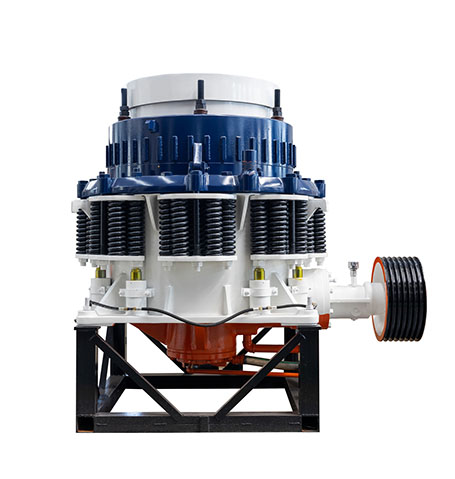
Spring Cone Crusher | Medium and fine crushing | Budget, material characteristics, adjustment method, and maintenance requirements
Single-Cylinder Hydraulic Cone Crusher | Medium and fine crushing | Hydraulic adjustment, protection functions, crushing chamber selection, and automation requirements
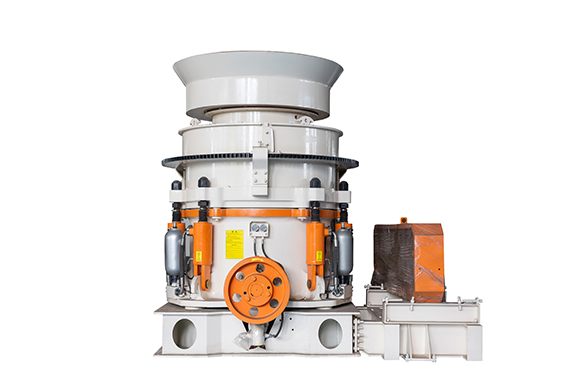
Multi-Cylinder Hydraulic Cone Crusher | Medium crushing, fine crushing, and other operations (depending on the specific model) | Hydraulic design of the specific model, processing capacity, crushing chamber options, and operational requirements
Jaw Crusher | Coarse crushing | Maximum feed size, material hardness, and required reduction ratio
No single crusher is suitable for every project. The right choice depends on the material, production goals, finished product grading, operating environment, and total cost of ownership.
STM’s product brochure includes information on the HPT series of multi-cylinder hydraulic cone crushers.
How do you choose the right single-cylinder hydraulic cone crusher? Contact us, and our professional technical staff will assist you.