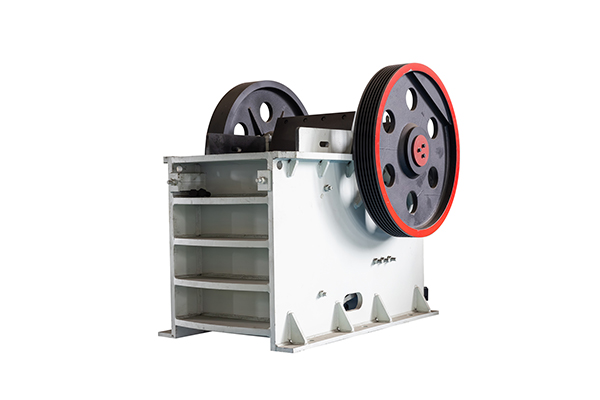
STM-JAW CRUSHER
A Heavy Duty Jaw Crusher is a primary crushing equipment designed with a high-strength forged eccentric shaft and heavy-duty manganese steel jaws, featuring deep crushing cavity, high ratio of reduction, and robust performance. It can efficiently process various hard minerals and rocks including granite, basalt, river pebbles, and iron ore through a heavy flywheel drive, wedge adjustment system, and optimized motion trajectory.
Model: PE150×250 ~ PE1200×1500 Product Capacity: 1t/h ~ 1000t/h
Highlights: 1. Deep V-shaped cavity, high crushing efficiency; 2. Hydraulic/Wedge discharge adjustment, flexible operation; 3. Heavy-duty design, exceptional stability; 4. Wear-resistant manganese alloy, long service life
💛 ISO, CE Certified 💛 18-month Warranty 💛 L/C Accepted 💛 7/24H Response
When building or upgrading a aggregate production line, the primary crusher lays the foundation for your entire operation. Among all primary crushing equipment, the Jaw Crusher remains the undisputed workhorse of the quarrying, mining, and recycling industries.
However, getting the maximum ROI (Return on Investment) out of your jaw crusher requires more than just buying a machine. Here are 5 essential industry tips every plant operator and equipment buyer should know.
Tip 1: Feed Size Rules — Don’t Overestimate Your Intake
One of the most common mistakes in quarry operations is feeding the jaw crusher with boulders that are too close to the intake opening size.
The 80% Golden Rule: Your maximum feed size should never exceed 80% of the maximum feed opening (Gape) of the jaw crusher.
Why it matters: If a jaw crusher has a feed opening of 600×900 mm, your rock size should ideally be under 480 mm. Feeding rocks that are too large causes bridging, severely reduces throughput, and risks damaging the eccentric shaft and bearings.
Tip 2: Pay Attention to the Grizzly Feeder Pre-Screening
A jaw crusher’s efficiency heavily depends on what enters the crushing chamber.
Bypass the Fines: Always install a vibrating grizzly feeder in front of the jaw crusher.
The Benefit: Removing natural dirt, mud, and fine rocks before they hit the crushing cavity prevents packing and reduces unnecessary wear on the jaw plates. Pre-screening can increase overall line capacity by 15% to 20% while saving energy.
Tip 3: Choose the Right Jaw Plate Profile for Your Material
Jaw plates (liner plates) are not one-size-fits-all. Using the wrong jaw plate profile can lead to poor reduction ratios and premature wear.
Standard Corrugated / Tooth Profile: Ideal for general hard rock crushing (granite, basalt) with minimal fines.
Heavy-Duty / Sharp Tooth Profile: Best for tough, slippery, or extra-hard stones, providing better grip during the primary compression stroke.
Flat / Smooth Profile: Commonly used for sticky or lower-abrasion materials to reduce clogging.
Maintenance Tip: Rotate your fixed and movable jaw plates top-to-bottom before they wear out unevenly. This simple habit can extend liner lifespan by up to 30%.
Tip 4: Master the CSS (Close Side Setting) Adjustment
The Close Side Setting (CSS) dictates the discharge size and directly influences the workload of downstream secondary crushers (like Cone or Impact crushers).
Don’t Over-Tighten: Never set the CSS tighter than the manufacturer’s recommended minimum limit to force a smaller output size. Doing so creates intense back-pressure, leading to premature bearing failure or toggle plate breakage.
Go Hydraulic: If your budget allows, opt for a jaw crusher with wedge or hydraulic CSS adjustment. It reduces setting adjustment downtime from hours to a few minutes.
Tip 5: Protect the “Heart” — Lubrication is Everything
The eccentric shaft bearings are the most critical and expensive components of a jaw crusher.
Establish a Strict Grease Schedule: Primary jaw crushers operate under heavy impact and high-dust environments. Ensure automatic or daily manual greasing using high-temperature, extreme-pressure (EP) lithium grease.
Monitor Bearing Temperatures: Regularly check bearing housing temperatures during shift changes. A sudden rise in temperature is the first warning sign of lubricant contamination or mechanical misalignment.
A reliable primary jaw crusher sets the pace for your entire processing plant. By matching the right machine capacity, optimizing feed handling, and maintaining wear parts proactively, you can drastically reduce operational costs per ton.
Looking for a heavy-duty Jaw Crusher tailored to your specific rock hardness? Contact our engineering team today to get a customized plant layout and direct factory quotation!